Vehicle Inspections in Pine Plains, NY
Vehicle inspections in Pine Plains, NY for condition baselines, used-car decisions, travel preparation, uncertain maintenance history, and repair prioritization.
Book ServiceHow Vehicle Inspections works
A condition inspection reviews visible and testable systems to identify current faults, wear, maintenance needs, and items that deserve monitoring.
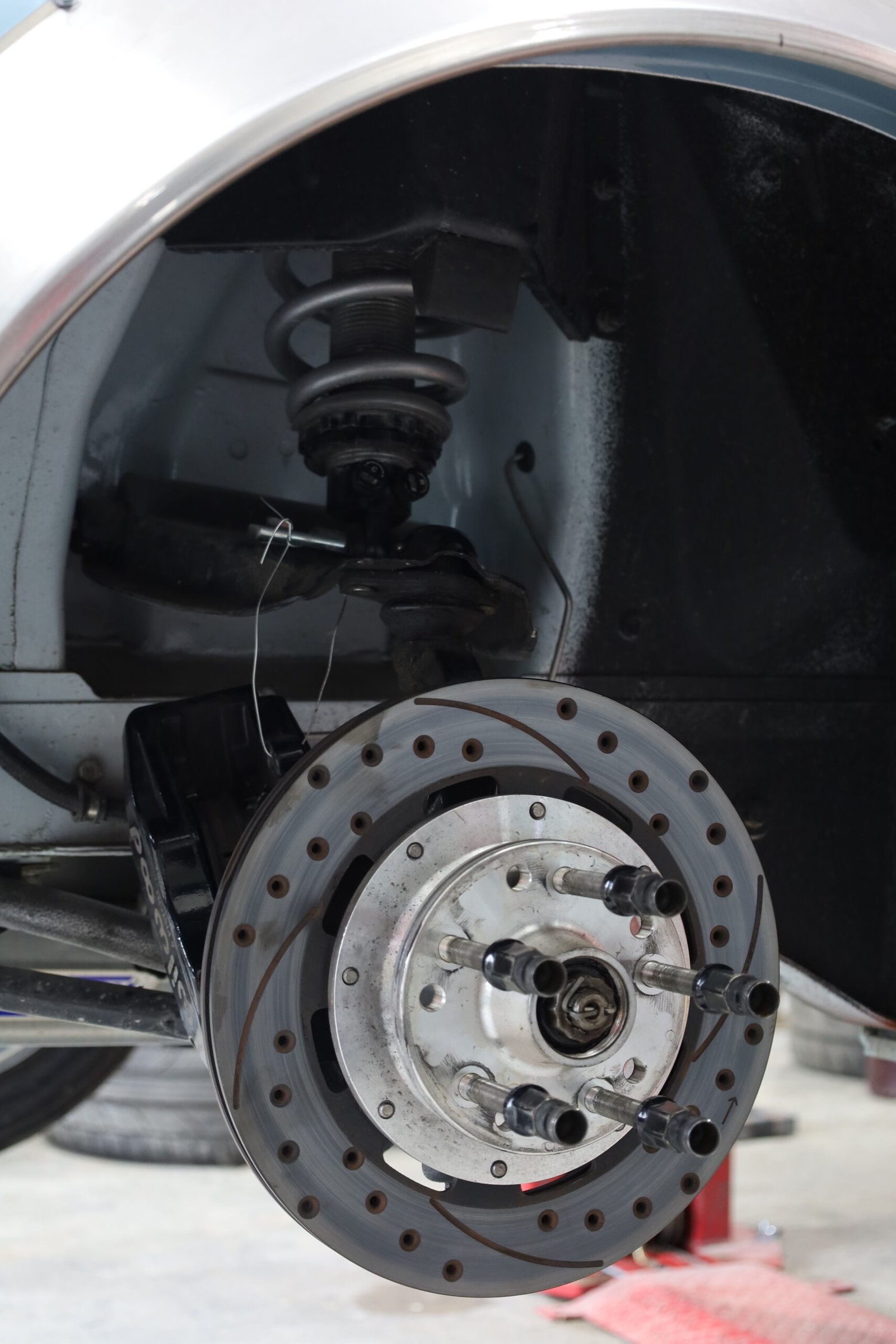
An inspection combines observation and accessible tests across systems rather than disassembling the entire vehicle. Lift access can reveal inner tire wear, leakage, corrosion, steering play, torn boots, brake condition, and underbody damage not visible from the driveway.
Electronic scanning can add useful warning and monitor history, but it does not replace physical inspection. Conversely, a clean visual review cannot prove that every sensor, module, internal engine part, or intermittent feature will continue to operate normally.
The inspection scope should match the decision it is meant to support. A pre-purchase review emphasizes evidence of collision repair, neglected maintenance, active faults, wear, leaks, and near-term expense; a pre-trip review emphasizes safe operation and problems that could interrupt the journey. Neither is identical to a New York State inspection or a guarantee against future failure. Defining that purpose before the vehicle is examined makes the resulting findings more useful and prevents a general visual check from being mistaken for unlimited diagnosis.
A condition inspection reviews visible and testable areas at a particular moment. Tires, brakes, fluids, lighting, underhood components, leaks, steering and suspension, and undervehicle areas can be included according to the agreed scope and vehicle access.
The purpose matters. A pre-purchase inspection, road-trip check, maintenance baseline, and concern-specific inspection ask different questions. Talus Automotive confirms the goal before choosing how broad the review should be.
When a vehicle inspection is useful
Consider an inspection before buying a used vehicle, before extended travel, after long storage, when records are incomplete, or when you need priorities before committing to repairs. A seller's permission and practical access are necessary for a pre-purchase evaluation.
An inspection is also useful after multiple small symptoms accumulate. Documenting what is safe now, what needs diagnosis, what maintenance is due, and what can be monitored turns a vague list into an actionable plan.
An inspection has limits
A non-invasive review cannot see every hidden internal condition or guarantee that a component will not fail later. Intermittent problems may not appear during the visit, and covers or inaccessible areas can limit observation.
Findings should lead to appropriate next steps, such as brake measurement, engine diagnostics, tire service, or scheduled maintenance. The inspection identifies direction; it does not automatically authorize those repairs.
When is a vehicle inspection useful?
- Buying, selling, traveling, or returning a vehicle to regular use
- Unclear maintenance history
- A driver wants priorities before approving work
- Vehicle has several small concerns and the owner needs one prioritized condition baseline
- Used vehicle shows warning history, mismatched tires, fresh fluid cleanup, or evidence of recent repair
Common causes
- Normal wear across multiple systems
- A recently noticed symptom or warning
- Need for a baseline after ownership or storage change
- Long storage allowing battery discharge, corrosion, tire flat-spotting, or fluid leakage
- Deferred maintenance and normal wear accumulating across unrelated systems
How the problem is narrowed down
- Confirm the purpose and depth of the inspection
- Review safety, fluid, tire, lighting, underhood, and undervehicle areas
- Document findings without overstating inaccessible components
- Road-test only with permission and when registration, condition, and safety allow it
- Use scan information as supporting evidence without presenting historical codes as current failures
What the service involves
- Separate immediate, upcoming, and monitor items
- Explain any recommended follow-up diagnosis
- Provide a practical order of operations
- Photograph or measure important findings when practical so priorities are understandable
- Identify where additional labor or disassembly would be required for a definitive answer
Why choose Talus Automotive for Vehicle Inspections
Talus Automotive organizes inspection findings by urgency and next action rather than presenting an undifferentiated list. Pine Plains customers can use the result to plan service, evaluate a vehicle, or ask better follow-up questions.
What delaying can change
An inspection is limited to the systems and conditions evaluated at that time; it cannot predict every future failure. Urgent safety findings should be addressed before normal driving.
Frequently asked questions
What does a vehicle inspection include?
Scope varies by purpose, but it can include visible tires, brakes, fluids, lights, leaks, underhood and undervehicle areas, steering and suspension, and a scan or road test when agreed.
Should I get a used car inspected before buying it?
Yes, an independent pre-purchase inspection can identify visible condition, needed maintenance, warning data, and areas that deserve further diagnosis before you commit.
Can an inspection predict every future repair?
No. It documents accessible conditions at the time and cannot guarantee future operation or expose every hidden or intermittent fault.
What should be checked before a long drive?
Tires, pressure, brakes, fluid levels, lights, wipers, battery, cooling, leaks, and active warnings are practical priorities. Vehicle history may justify additional checks.
Is a vehicle condition inspection the same as New York State inspection?
No. A general condition inspection is not a state emissions test and does not represent that the shop is an authorized emissions facility.
Does the inspection include repair prices?
Findings can support separate estimates, but vehicle configuration, diagnosis, parts, labor, taxes, and access affect pricing. Repair scope is confirmed separately.