
Brake Repair in Pine Plains, NY
Brake repair in Pine Plains, NY for squeaking, grinding, vibration, warning lights, pulling, pedal changes, and measured friction-material wear.
Book ServiceHow Brake Repair works
The braking system turns pedal input into hydraulic pressure and friction at each wheel. Pads, rotors, calipers, hoses, fluid, sensors, and controls must work together.
Disc brakes use a caliper to clamp pads against a rotor; drum systems press shoes outward against a drum. Hydraulic pressure begins at the master cylinder and travels through lines and flexible hoses. ABS and stability systems can alter pressure at individual wheels when sensors and controls detect slip or instability.
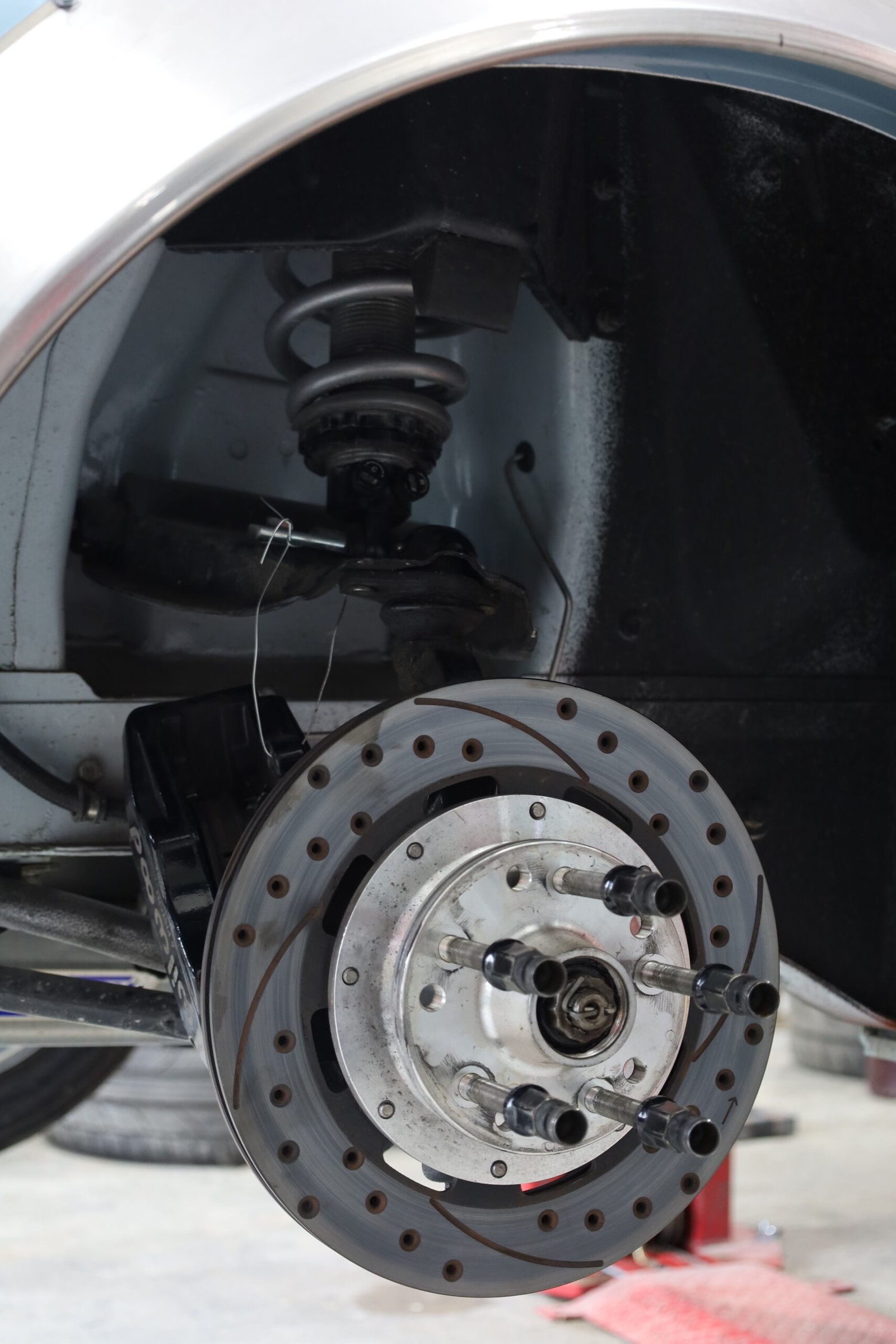
Wear should be compared side to side and between inner and outer friction surfaces. A thin inner pad with a thicker outer pad, for example, can reveal movement or caliper trouble that a quick glance through the wheel may miss.
Pressing the brake pedal creates hydraulic pressure that moves friction material against a rotor or drum at each wheel. Pads, rotors, calipers, hoses, brake fluid, wheel-speed sensors, and electronic controls all influence how the vehicle stops, which is why a noise does not automatically mean pads are the only issue.
Talus Automotive begins brake service by identifying the exact complaint and measuring the system. A steering-wheel shake during braking suggests a different test path than a soft pedal, an ABS warning, a vehicle that pulls, or a grinding sound from one corner.
Signs your brakes may need service
Have the brakes checked when noise persists, the pedal feels different, stopping distance grows, the vehicle pulls, or a brake or ABS warning appears. Grinding, a pedal that sinks, visible fluid loss, or significantly reduced braking should be treated as urgent safety concerns.
Brake-pad life has no universal mileage because vehicle weight, road conditions, driving style, material, corrosion, and caliper movement all affect wear. Periodic inspection and actual measurements are more useful than guessing from the odometer.
Pads, rotors, calipers, and fluid play different roles
Rotors do not require automatic replacement with every pad set, but their thickness, surface condition, runout, heat damage, and ability to finish within specification matter. A sticking caliper or seized hardware can ruin new friction parts if the underlying movement problem is ignored.
Some braking complaints overlap with tires, wheel alignment, or steering and suspension conditions. Contextual inspection keeps a vibration or pull from being assigned to the wrong system.
Why are my brakes noisy or vibrating?
- Grinding, squealing, scraping, or a pulsating pedal
- Longer stopping distance, pulling, or a soft pedal
- Brake, ABS, or stability warning lights
- One wheel feels unusually hot, a burning smell develops, or the vehicle no longer rolls freely
- Pedal travels farther than normal, sinks under steady pressure, or changes after repeated stops
Common causes
- Worn pads or damaged rotors
- A sticking caliper, hydraulic leak, or deteriorated hose
- Contaminated fluid, sensor faults, or uneven hardware movement
- Rotor thickness variation, runout, heat checking, or uneven friction transfer
- Air, moisture, leakage, master-cylinder wear, or an ABS hydraulic-control concern
How the problem is narrowed down
- Road-test only when the vehicle is safe to drive
- Measure friction material and inspect rotors and hydraulics
- Scan control modules when brake or ABS warnings are present
- Compare inner and outer pad wear and verify caliper slides, piston movement, and hardware condition
- Check pedal behavior and hydraulic integrity before treating a soft pedal as a friction-part problem
What the service involves
- Explain measured wear and the affected axle or system
- Replace or service only the authorized components
- Verify pedal feel, fluid level, and braking operation
- Clean and prepare mating surfaces so rotor and wheel installation do not introduce runout
- Follow appropriate bedding or burnishing guidance and complete a controlled braking verification
Why choose Talus Automotive for Brake Repair
Talus Automotive bases brake recommendations on symptoms, measurements, visible condition, hydraulic checks, and fault data when applicable. The Pine Plains shop explains what is worn, what caused the wear, and which work is safety-critical before authorization.
What delaying can change
Brake problems can lengthen stopping distance or cause loss of control. Metal-to-metal wear often expands the repair and can damage rotors or calipers.
Frequently asked questions
Why are my brakes squeaking?
Brakes can squeak because of a wear indicator, friction-material characteristics, glazing, rust, debris, hardware movement, or a caliper problem. The timing and source of the noise help determine whether it is normal or needs repair.
Can I drive with grinding brakes?
Grinding can mean friction material is exhausted and metal is contacting the rotor, so continued driving may reduce braking and increase damage. Arrange a prompt inspection and avoid driving if stopping performance has changed.
Why does my steering wheel shake when braking?
Brake-related steering shake can result from rotor thickness variation, runout, uneven friction transfer, or a sticking component. Tire, wheel, hub, and suspension conditions can create similar sensations and should not be overlooked.
Do brake rotors need replacement with every pad change?
No. Rotor replacement depends on measured thickness, surface condition, heat damage, runout, manufacturer limits, and whether an acceptable finish can be achieved for the new pads.
What causes a soft brake pedal?
A soft pedal can result from air or moisture in the hydraulic system, a leak, hose expansion, master-cylinder trouble, adjustment issues, or other faults. Fluid loss or a sinking pedal requires immediate attention.
How do I know if a brake caliper is sticking?
A sticking caliper may cause pulling, one wheel running hotter, a burning odor, rapid wear on one side, reduced fuel economy, or a vehicle that does not roll freely. Temperature and wear comparisons help verify it.
How long do brake pads last?
Brake-pad life varies widely with the vehicle, pad material, driving pattern, load, road conditions, and caliper operation. Measuring remaining material and comparing inner and outer wear provides a better answer than mileage alone.