Towing in Pine Plains
Towing in Pine Plains and surrounding areas for disabled vehicles, no-starts, damaged tires, overheating, collision recovery, and safe transport to the repair shop.
Call NowHow Towing works
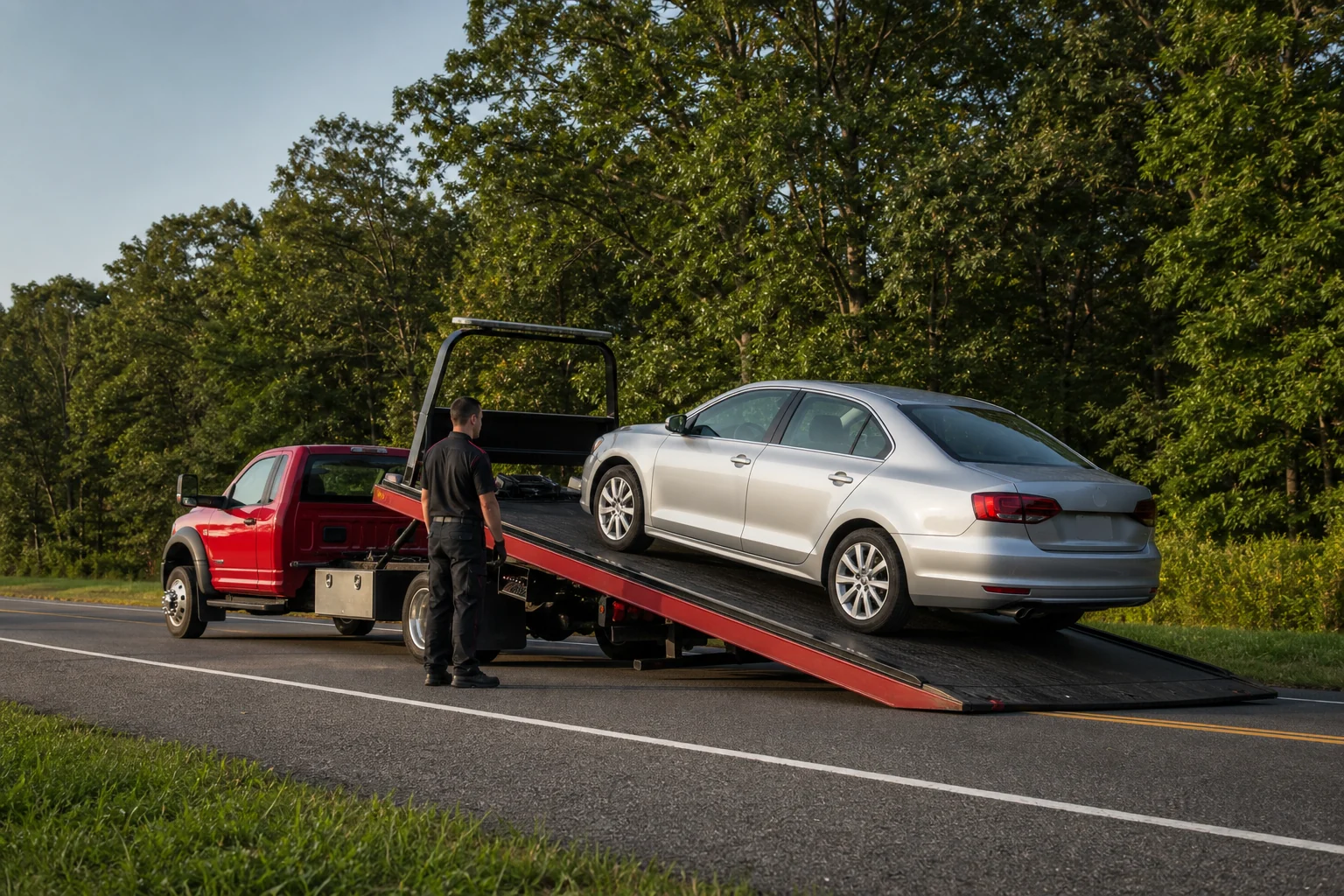
Towing moves a disabled vehicle with specialized loading, lifting, and securement equipment. The pickup plan depends on the vehicle's condition, drivetrain, wheel position, ground clearance, and surroundings.
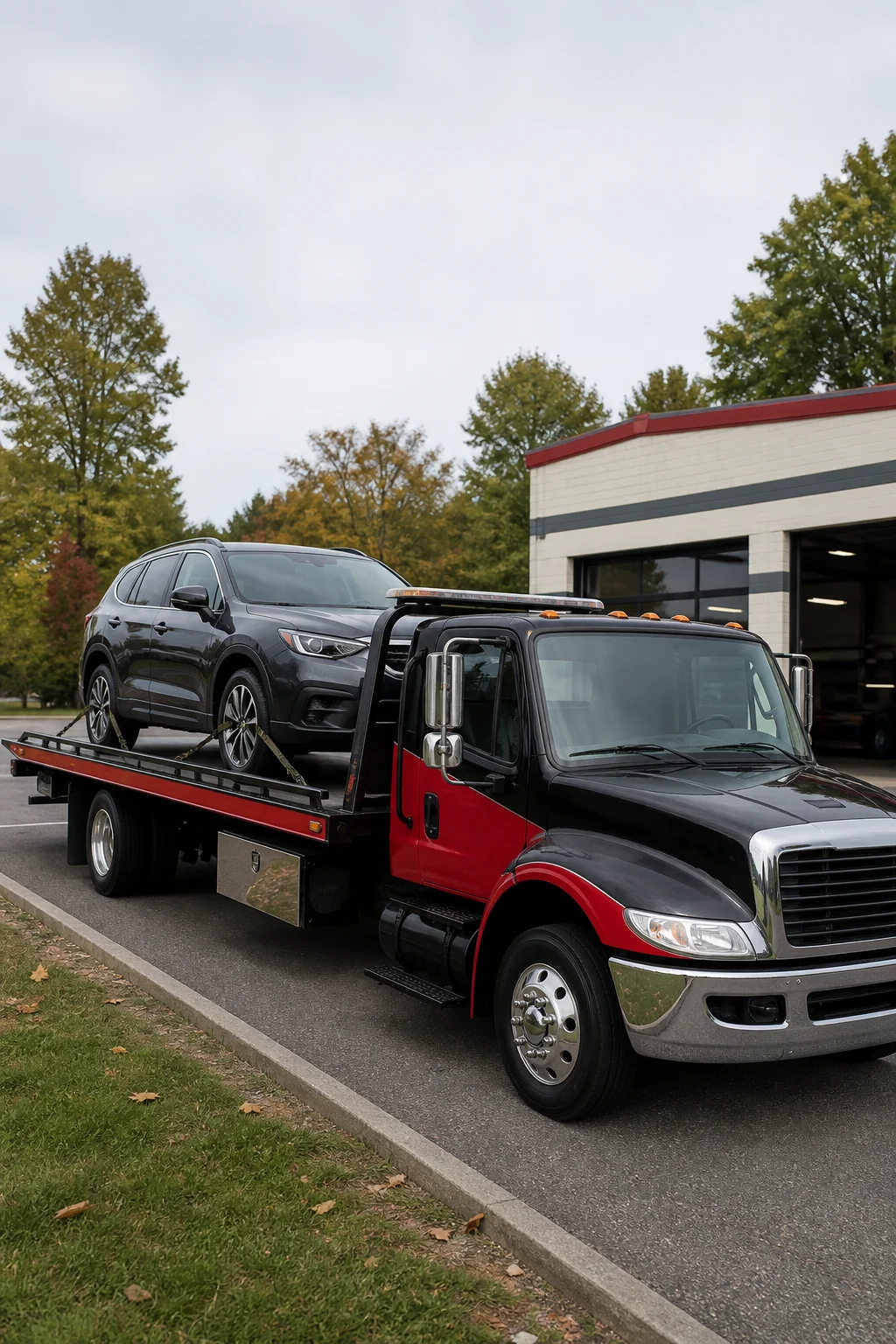
A flatbed carries the vehicle with all four wheels off the road, while other recovery methods may lift one axle. The safest method depends on the vehicle and the problem, so the equipment should be matched to the situation rather than assumed from the symptom alone.
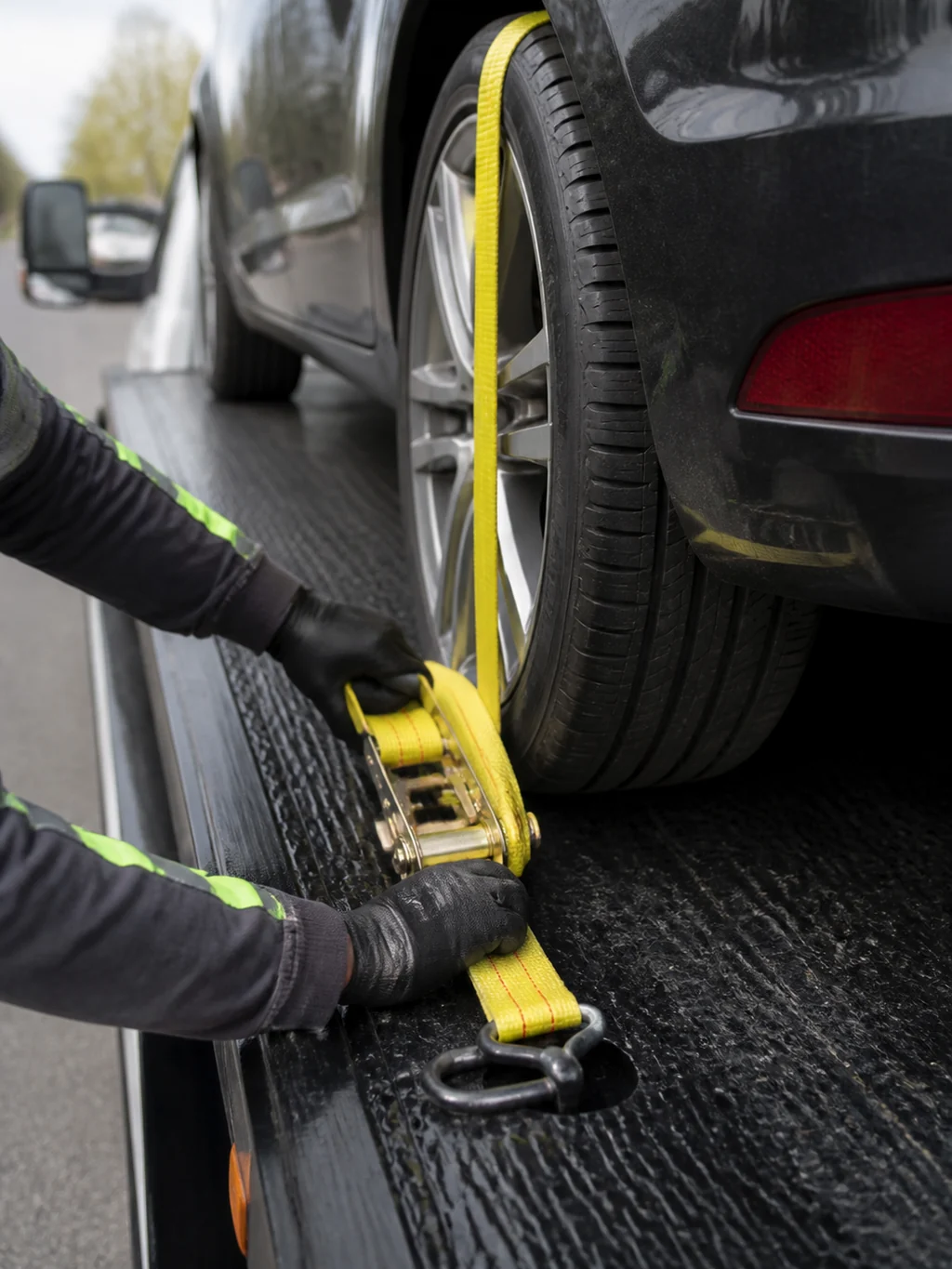
Before transport, the operator verifies that the vehicle is centered, attached at appropriate points, and secured against movement. Clearance, steering position, parking-brake status, loose parts, and visible leaks all affect how the vehicle should be loaded and delivered.
When a vehicle cannot be driven safely, towing moves it without asking a damaged tire, overheated engine, drivetrain problem, or collision-damaged component to do more work. The goal is a safe pickup, secure loading, and clear delivery instructions.
Talus Automotive begins by confirming where the vehicle is, what changed, whether it can roll or steer, and where it needs to go. Those details help determine the right equipment and prevent surprises at pickup.
When should you request a tow?
Request a tow when the vehicle will not start, cannot move under its own power, has a damaged wheel or tire, is overheating, has been involved in a collision, or shows a warning that makes continued driving unsafe.
If you are unsure whether driving is safe, describe what happened and what the vehicle is doing now. A short conversation can help you choose the next step without risking additional damage.
Prepare the vehicle and pickup details
Share the exact location, destination, year and model, drivetrain when known, ground-clearance concerns, key availability, and whether the wheels can roll and steer. Mention parking garages, narrow driveways, traffic exposure, fluid leaks, or visible damage before dispatch.
Keep the vehicle accessible when conditions allow, remove important personal items, and follow the operator’s safety directions at the scene. The vehicle should be loaded only after the truck is positioned and the work area is secure.
When is towing the safer next step?
- The engine will not start or the vehicle cannot move under its own power
- A tire, wheel, axle, suspension part, or steering component is damaged
- The temperature warning appears, coolant is leaking, or the engine overheats
- A collision or road hazard leaves the vehicle unsafe to drive
- Warning lights, severe noises, smoke, or fluid loss make continued driving questionable
Common causes
- A discharged battery, failed starter, or other no-start condition
- A flat tire, damaged wheel, broken suspension part, or driveline problem
- Overheating, coolant loss, oil-pressure concerns, or another fluid leak
- Collision damage, a road hazard, or a vehicle stuck in an unsafe location
- Electrical, engine, transmission, brake, or steering faults that prevent safe travel
How the right tow is determined
- Confirm the pickup location, destination, and safe access for the truck
- Identify the vehicle, drivetrain, approximate weight, and ground-clearance needs
- Ask whether the vehicle rolls, steers, and has accessible keys
- Note collision damage, locked wheels, fluid leaks, or loose components
- Match the loading and securement approach to the vehicle and scene
What towing service involves
- Confirm the pickup, delivery destination, vehicle, and contact details
- Position the truck and establish a safe loading area
- Load the vehicle with appropriate attachment points and clearance
- Secure the vehicle and verify straps or restraints before transport
- Deliver the vehicle to the approved location and confirm placement
Why choose Talus Automotive for Towing
Talus Automotive handles towing requests with the same straightforward approach used in the shop: gather the facts, explain the plan, and protect the vehicle during each step. Clear pickup details help match the equipment and bring the vehicle to the right destination without adding unnecessary risk.
What delaying can change
Trying to drive a vehicle with severe overheating, fluid loss, damaged tires or suspension, collision damage, or major warning signs can expand the repair and create a safety hazard. Arranging a tow protects the vehicle, its occupants, and other drivers.
Frequently asked questions
What information should I have when requesting a tow?
Share the exact pickup location, destination, vehicle year and model, what happened, whether the vehicle can roll or steer, whether keys are available, and any access or clearance restrictions.
Does my vehicle need a flatbed tow truck?
A flatbed is often appropriate when all four wheels should remain off the road, but the safest equipment depends on drivetrain, damage, clearance, wheel condition, and the pickup setting.
Can an all-wheel-drive vehicle be towed?
Yes, but the loading method must follow the vehicle manufacturer's guidance and keep the drivetrain from being damaged. Provide the year, make, model, and drivetrain when requesting service.
What if the vehicle will not roll or steer?
Tell the dispatcher before the truck arrives. Locked wheels, steering damage, missing keys, or a vehicle stuck in park may require additional loading equipment and more space at the pickup point.
Can the vehicle be brought directly to Talus Automotive?
Yes. Confirm the destination and shop availability when arranging the tow so the vehicle can be placed where the Talus Automotive team expects it.
Should I keep driving after a serious warning light appears?
Stop when it is safe and consider towing if the light is accompanied by overheating, oil-pressure warnings, smoke, fluid loss, severe noise, loss of power, or changed braking or steering.
How should I prepare the vehicle for pickup?
Keep the keys available, remove important personal items, tell the operator about damage or leaks, and stay clear while the truck is positioned and the vehicle is loaded.