
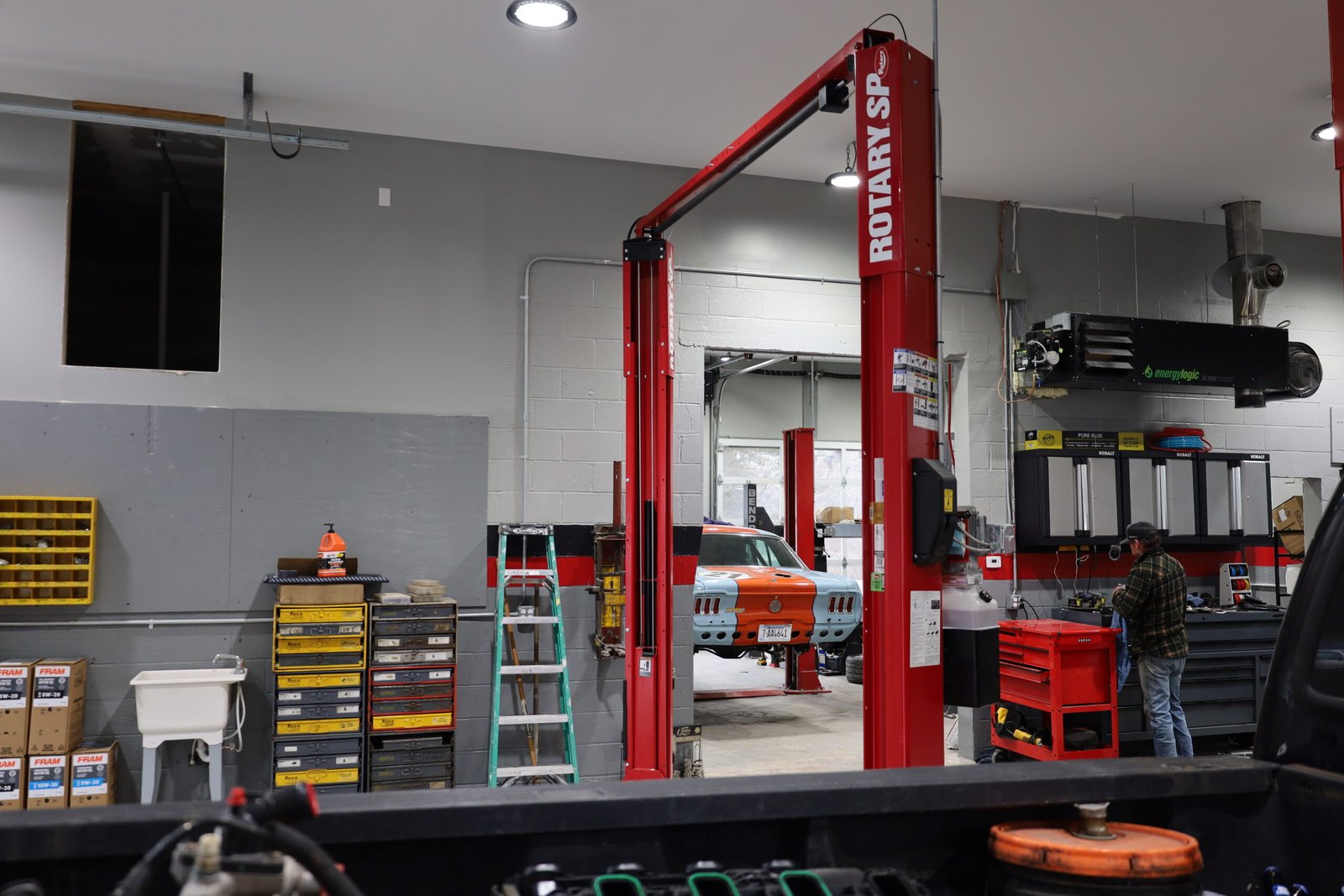
Engine Repair in Pine Plains, NY
Engine repair in Pine Plains, NY for confirmed internal mechanical, lubrication, timing, compression, sealing, noise, smoke, and oil-consumption concerns.
Book ServiceHow Engine Repair works
Internal engine repair addresses mechanical sealing, lubrication, timing, compression, and rotating components after testing identifies the failing area.
Compression depends on piston rings, cylinder walls, valves, valve timing, and head-gasket sealing. Lubrication depends on oil supply, pump capacity, bearing clearances, and unobstructed passages. Timing components coordinate crankshaft and camshaft position so combustion occurs with valves in the correct place.
A major failure can send metal, coolant, oil, or debris into related systems. Repair planning may therefore include cleaning or evaluating lubrication passages, intake and exhaust components, cooling circuits, or turbocharger lines rather than treating the failed part in isolation.
Mechanical engine findings must be interpreted as a complete pattern. One low reading can result from the test method, cranking speed, valve timing, a sealing problem, or internal wear, so confirmation may require comparing cylinders and using more than one type of test. Oil pressure, cooling-system behavior, combustion evidence, noise location, and service history can all affect whether a limited repair, deeper disassembly, or a replacement option deserves consideration. Talus Automotive explains those branches before major engine work is authorized so a Pine Plains driver can weigh vehicle condition, repair depth, total repair cost, and the intended length of ownership.
Internal engine repair addresses conditions that cannot be resolved through routine maintenance or an external sensor replacement. Pistons, rings, bearings, valves, timing components, gaskets, oil passages, and sealing surfaces operate together under heat and load.
Symptoms such as misfire, smoke, noise, oil use, or loss of power can also come from ignition, fuel, air, exhaust, or electrical faults. Talus Automotive separates those possibilities before discussing disassembly or a major repair path.
When engine symptoms require immediate attention
Stop driving when oil pressure is lost, temperature rises severely, a heavy knock develops, the engine runs away, or smoke and fluid loss suggest continuing could expand damage. A tow is often less costly than operating an engine without lubrication or cooling.
Less dramatic symptoms still deserve timely testing: repeated misfire, increasing oil consumption, blue or white exhaust smoke, metal in oil, or compression loss. Early evidence helps define whether the problem is localized or widespread.
Repair depth should match the confirmed condition
Compression and leak-down results, oil-pressure measurements, timing checks, fluid contamination, and inspection findings help locate the failure. Depending on the evidence, options may range from a targeted sealing or timing repair to replacement or a decision not to invest further.
Vehicle value, mileage, maintenance history, related-system contamination, parts availability, and the owner's plans all belong in a major repair conversation. A scan code alone cannot answer those questions.
What symptoms can point to an internal engine problem?
- Persistent knock, rattle, misfire, smoke, or oil consumption
- Low compression or oil pressure
- Loss of power with confirmed internal mechanical evidence
- Metallic debris appears in drained oil or filter material
- Coolant and oil mix, compression enters the cooling system, or one cylinder repeatedly fouls
Common causes
- Wear, overheating, oil starvation, or contamination
- Timing-system or valvetrain failure
- Head-gasket, piston, bearing, or sealing damage
- Detonation, preignition, overheating, or lubrication loss creating secondary internal damage
- Broken spring, follower, chain guide, tensioner, or other valvetrain and timing component
How the problem is narrowed down
- Separate mechanical symptoms from ignition, fuel, and control faults
- Measure compression, leak-down, pressure, or timing as appropriate
- Compare repair, replacement, and vehicle-value considerations
- Use cylinder contribution and leakage location to distinguish upper- and lower-engine causes
- Inspect related fluid and debris paths to understand the repair scope beyond the failed component
What the service involves
- Document the confirmed internal condition
- Agree on repair depth, parts, and machine work before disassembly
- Reassemble to specification and verify operation
- Measure reusable parts and sealing surfaces against service limits during disassembly
- Prime lubrication, follow initial-run procedures, and monitor pressure, temperature, leakage, and noise
Why choose Talus Automotive for Engine Repair
Talus Automotive approaches major engine work as a decision supported by mechanical testing. The Pine Plains shop explains what has been proven, what remains uncertain without disassembly, and how each repair option fits the vehicle.
What delaying can change
An internal fault can progress to sudden engine failure or contaminate related systems. Major repair should follow evidence, not a scan code alone.
Frequently asked questions
Why is my engine knocking?
Knocking can come from combustion, low-octane or control issues, valvetrain movement, bearing clearance, timing faults, or low oil pressure. The sound's location and operating conditions guide testing.
Why is my car burning oil?
Oil consumption can result from piston-ring, cylinder, valve-seal, turbocharger, or crankcase-ventilation conditions. External leaks should be ruled out before assuming the oil is being burned.
What causes low engine compression?
Low compression may come from leaking valves, worn or damaged rings and cylinders, head-gasket failure, timing errors, or a physical sealing problem. Comparing cylinders and leak paths narrows the cause.
Does a check-engine code prove I need engine repair?
No. A code identifies a monitored condition and may be caused by ignition, fuel, air, electrical, exhaust, or mechanical faults. Mechanical repair should follow confirming tests.
Is engine repair worth the cost?
That depends on repair depth, vehicle condition and value, ownership plans, related damage, and alternative transportation costs. A clear diagnosis is needed before comparing options.
Can overheating damage an engine?
Yes. Severe heat can distort sealing surfaces, damage gaskets, reduce lubrication, and harm internal parts. The extent requires cooling-system and mechanical checks rather than an assumption.
Why is blue smoke coming from the exhaust?
Blue exhaust smoke commonly indicates oil entering combustion, but the source may involve rings, valve seals, a turbocharger, or ventilation faults. When and how it smokes provides useful evidence.