
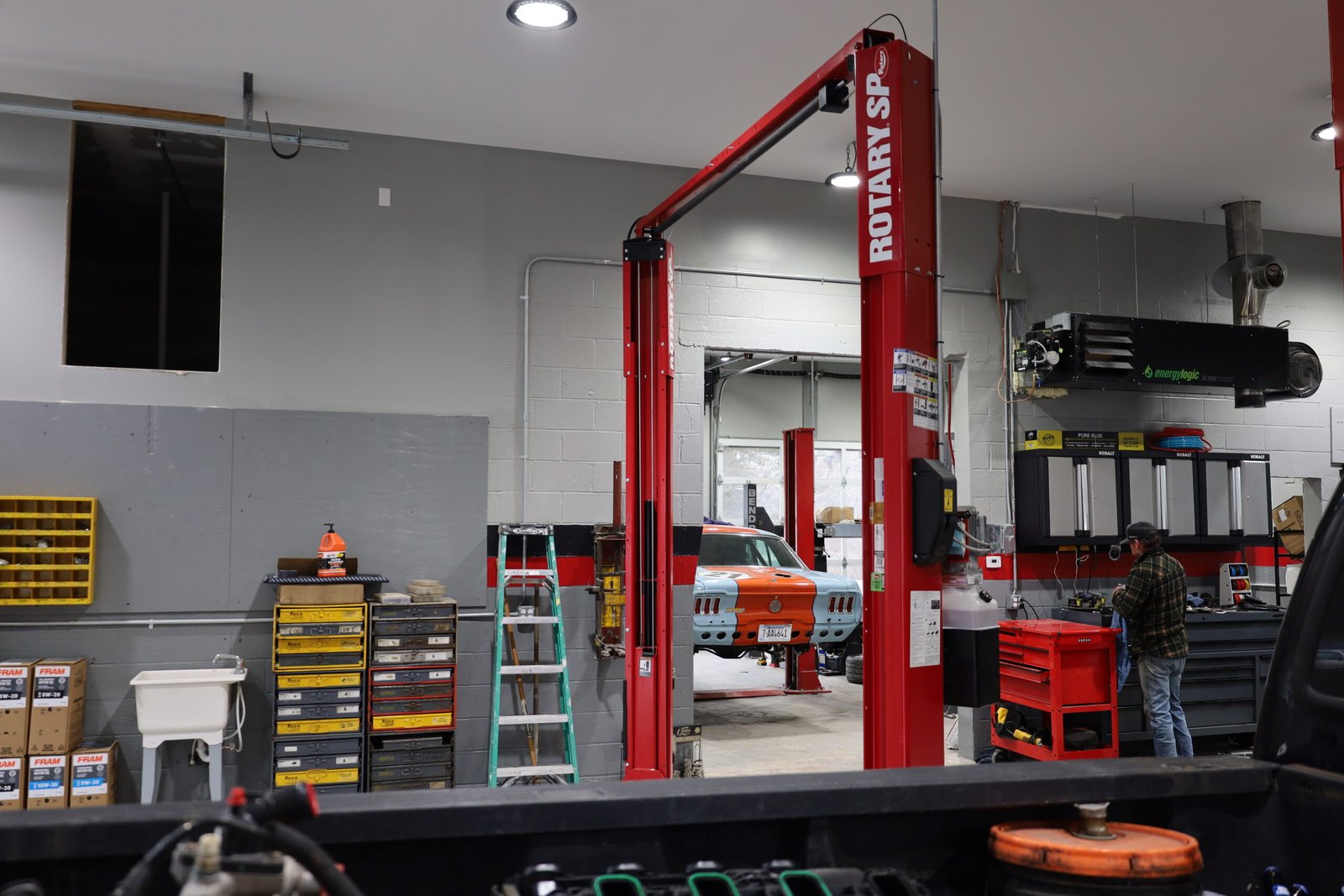
Engine Diagnostics in Pine Plains, NY
Engine diagnostics in Pine Plains, NY that connect symptoms, codes, scan data, electrical measurements, and mechanical tests to a defensible repair direction.
Book ServiceHow Engine Diagnostics works
Engine diagnosis combines the driver's description, scan information, live data, mechanical checks, and targeted tests. A diagnostic trouble code identifies a monitored condition, not automatically a failed part.
The engine controller calculates fuel, spark, airflow, emissions operation, and many protective strategies from sensor inputs and programmed models. Freeze-frame data shows the conditions present when a fault matured, while live data shows how inputs and commands change during testing.
Mechanical health still matters to electronic diagnosis. A cylinder with poor sealing can create misfire data that resembles ignition trouble, and an exhaust leak can influence oxygen-sensor readings without the sensor itself being defective.
Useful diagnosis also separates current faults from stored history. A code recorded during a weak-battery event, previous repair, or temporary operating condition may remain in memory even when it is not causing today’s complaint. Test results are therefore compared with the symptom, freeze-frame conditions, service information, and repeatable behavior. That process helps prevent an old code or unrelated maintenance item from becoming the basis for the wrong repair.
A scan tool is valuable because it reads diagnostic trouble codes, freeze-frame information, live sensor data, monitor status, and module communication. It does not look inside the vehicle and announce the failed part; the technician must interpret what the controller observed and test the possible causes.
Rough running, hesitation, stalling, hard starting, reduced power, abnormal fuel use, and intermittent warnings can involve ignition, fuel delivery, air measurement, exhaust restriction, wiring, sensors, control software, or internal engine condition. Good diagnosis narrows that list with evidence.
When should engine performance be diagnosed?
Arrange testing when a symptom repeats, a warning appears, or starting and drivability change. A flashing engine light, severe misfire, stalling in traffic, overheating, or loss of oil pressure can make continued driving unsafe or damaging.
Record fuel level, temperature, weather, speed, load, and how long the symptom lasts. Intermittent problems may require data capture or repeated testing, and precise customer observations can help recreate the right condition.
Codes start the test plan; they do not finish it
A lean code, for example, can involve unmetered air, fuel delivery, exhaust leakage, sensor bias, or another condition. Replacing the oxygen sensor named in a code description without checking the system may spend money while leaving the fault active.
After the cause is supported, repair authorization is a separate decision. The original symptom should then be verified under relevant conditions rather than assuming a cleared code proves success.
Why is a warning light on?
- Rough running, stalling, hesitation, or reduced power
- Hard starting, poor fuel economy, or abnormal exhaust
- Warning light with or without a noticeable symptom
- Problem appears only under acceleration, at a specific fuel level, after heat soak, or during cold start
- Multiple codes return together or move between cylinders after parts have already been replaced
Common causes
- Ignition, fuel, air-metering, or sensor faults
- Mechanical compression, timing, or exhaust restrictions
- Wiring, power, ground, software, or intermittent conditions
- Incorrect learned values, software strategy, or another module influencing engine operation
- Intermittent connection or mechanical condition that passes a stationary quick check
How the problem is narrowed down
- Confirm the symptom and capture codes and freeze-frame data
- Review live data and test the involved circuit or system
- Prove the likely cause before recommending a repair
- Use bidirectional controls when appropriate to command components and observe system response
- Compare suspect data with known-good relationships instead of condemning a sensor from one number
What the service involves
- Share the test result and diagnostic limits
- Authorize the appropriate repair separately
- Verify the original symptom after the repair
- Preserve pre-repair codes and data before clearing information needed for verification
- Complete the drive or operating conditions needed to confirm the original fault no longer returns
Why choose Talus Automotive for Engine Diagnostics
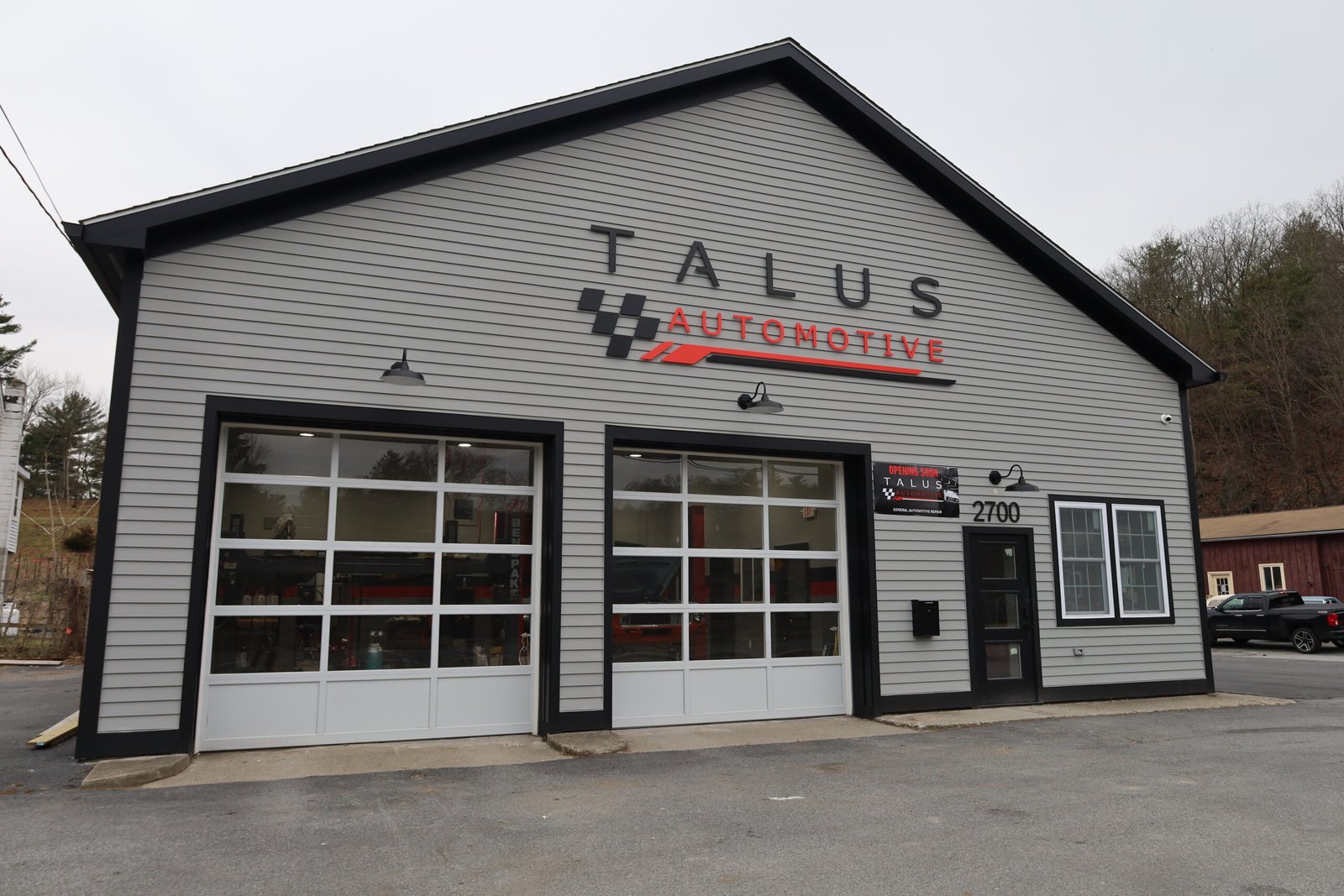
Talus Automotive uses scan information as one source of evidence within a broader diagnostic process. The Pine Plains team explains what the data means, which test confirmed the fault, and what repair is being recommended before work proceeds.
What delaying can change
Guessing at parts can waste money and leave the fault active. A flashing engine light or severe drivability problem may indicate a risk of catalyst or engine damage.
Frequently asked questions
What does a car diagnostic test tell you?
Diagnostic testing can identify fault codes, data patterns, circuit behavior, pressure or leak results, and mechanical condition. The exact tests depend on the symptom; there is no single test that answers every problem.
Can a scan tool diagnose my car completely?
No. A scan tool reports what vehicle modules see and command. Physical inspections, electrical measurements, smoke or pressure tests, and mechanical checks may be needed to prove why the data is abnormal.
Why is my engine running rough?
Rough operation can involve ignition misfire, fuel delivery, air leaks, sensor input, compression, timing, exhaust restriction, or electrical faults. Codes and cylinder data help direct the next test.
Why does my car hesitate when I accelerate?
Hesitation can result from fuel-pressure or delivery problems, ignition breakdown, air measurement, throttle control, transmission response, exhaust restriction, or mechanical load. Reproducing it is important.
How long does vehicle diagnosis take?
Time varies with fault complexity, access, test conditions, and whether the symptom is intermittent. Initial testing may identify a clear cause or justify a second diagnostic stage.
Is diagnosis separate from the repair?
Yes. Diagnosis establishes the supported cause and repair direction; parts and labor for the authorized repair are then considered separately. Testing does not imply permission to complete additional work.
Why did a warning return after codes were cleared?
Clearing codes removes stored information but does not repair the condition. The controller can set the fault again when its monitor detects the same problem during a later drive cycle.